NEGO FUGIDO, QUILOMBOLA MEMORIES
From June 5 to July 12
Opening on June 5 2025 from 5-9pm
Ygrec-ENSAPC Art Centre
OPENING HOURS:
Wednesday to Saturday 2pm-7pm
29 rue Henri Barbusse
93300 Aubervilliers

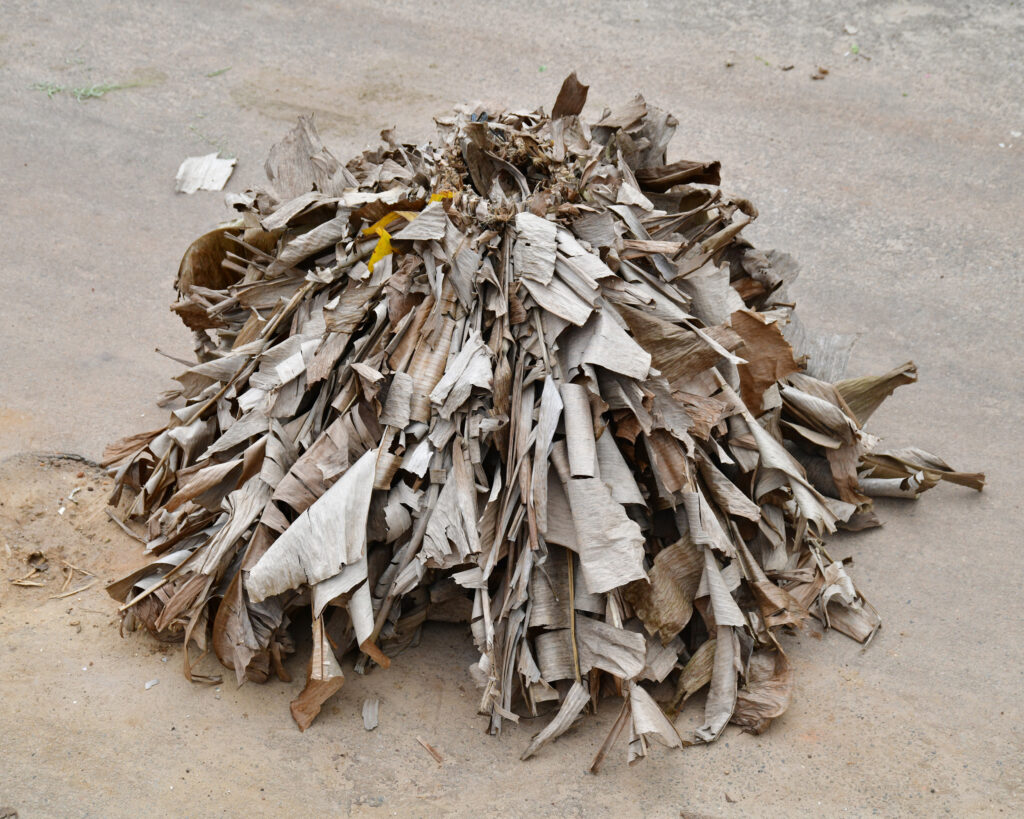
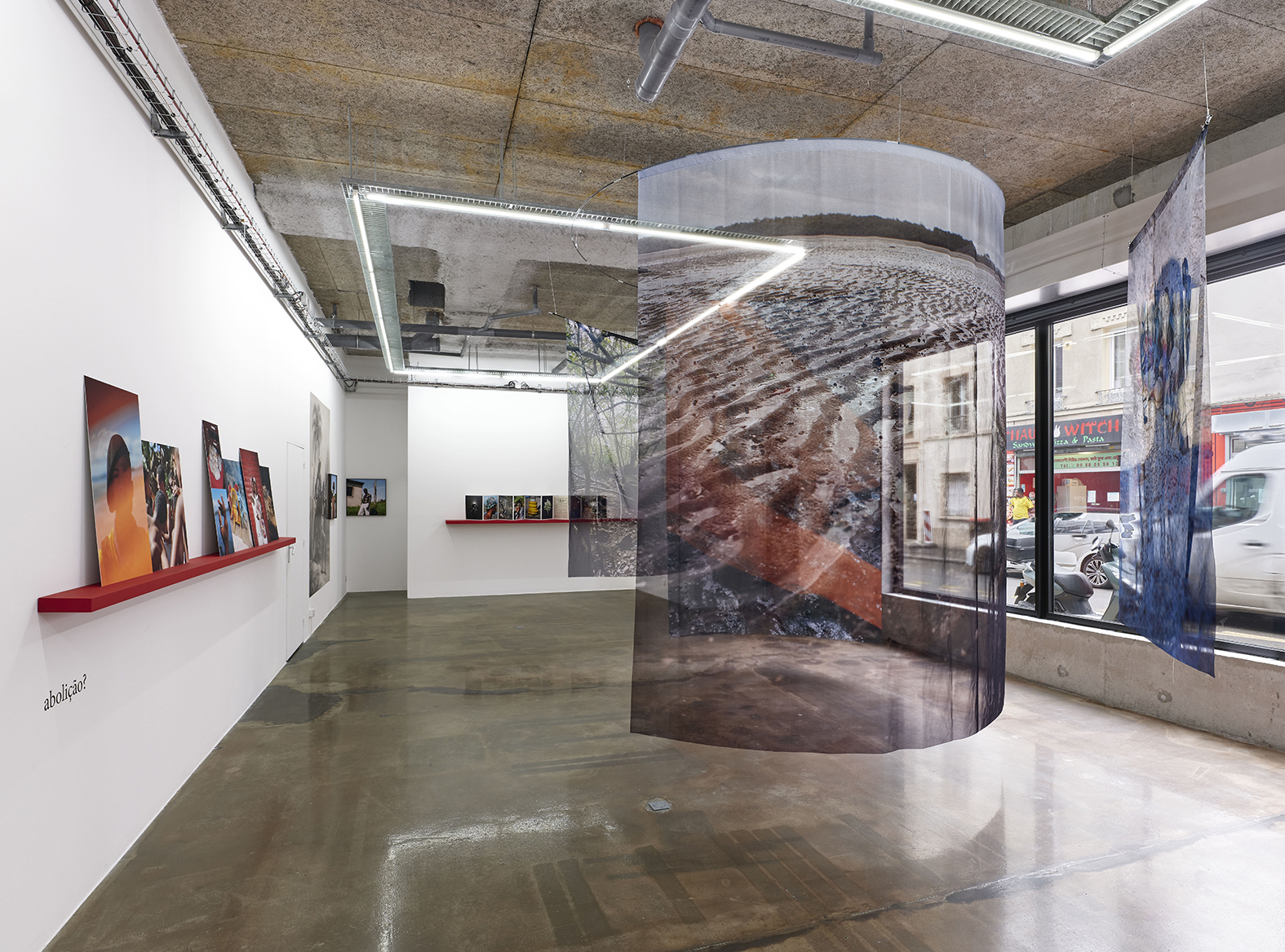
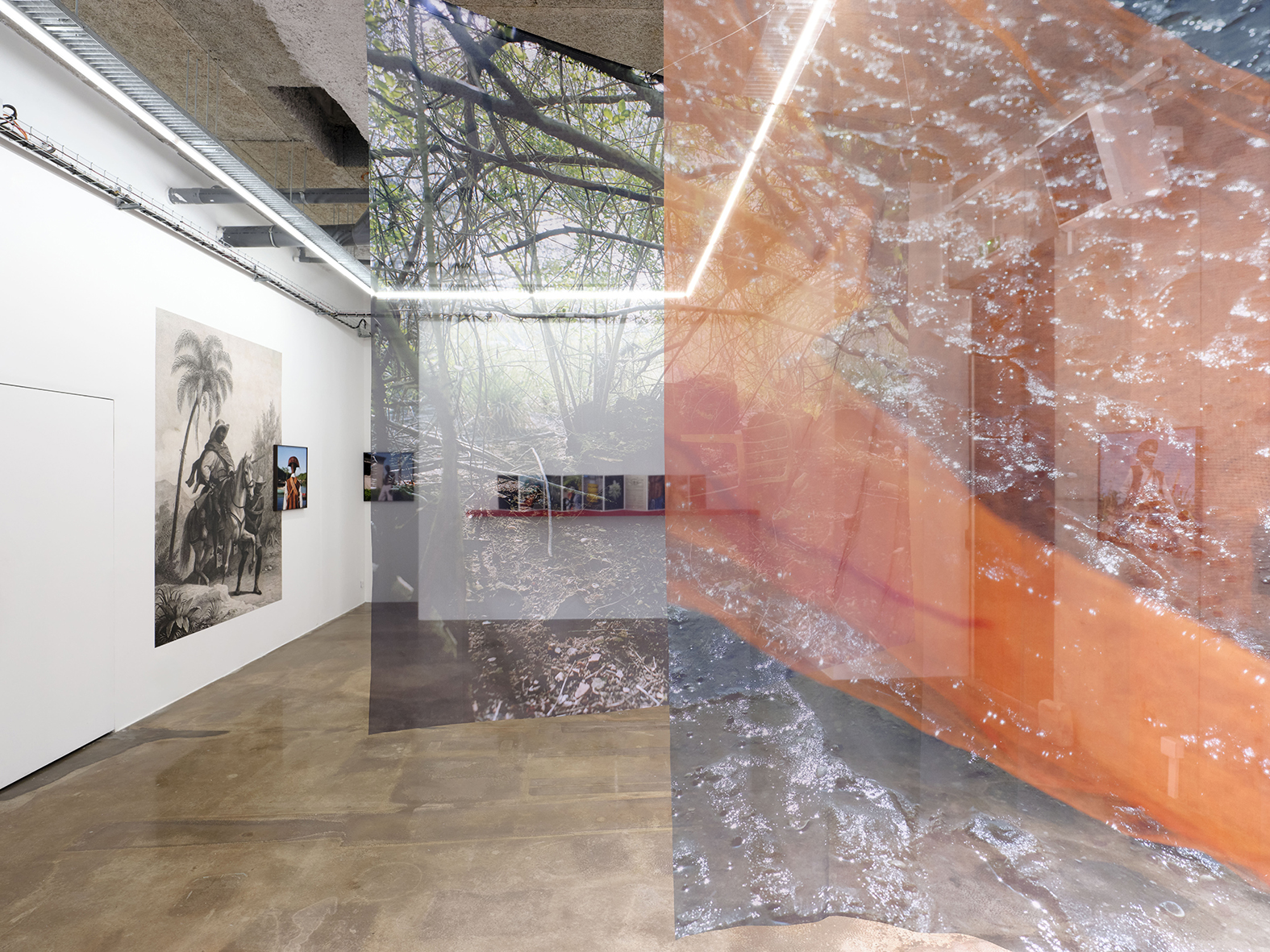
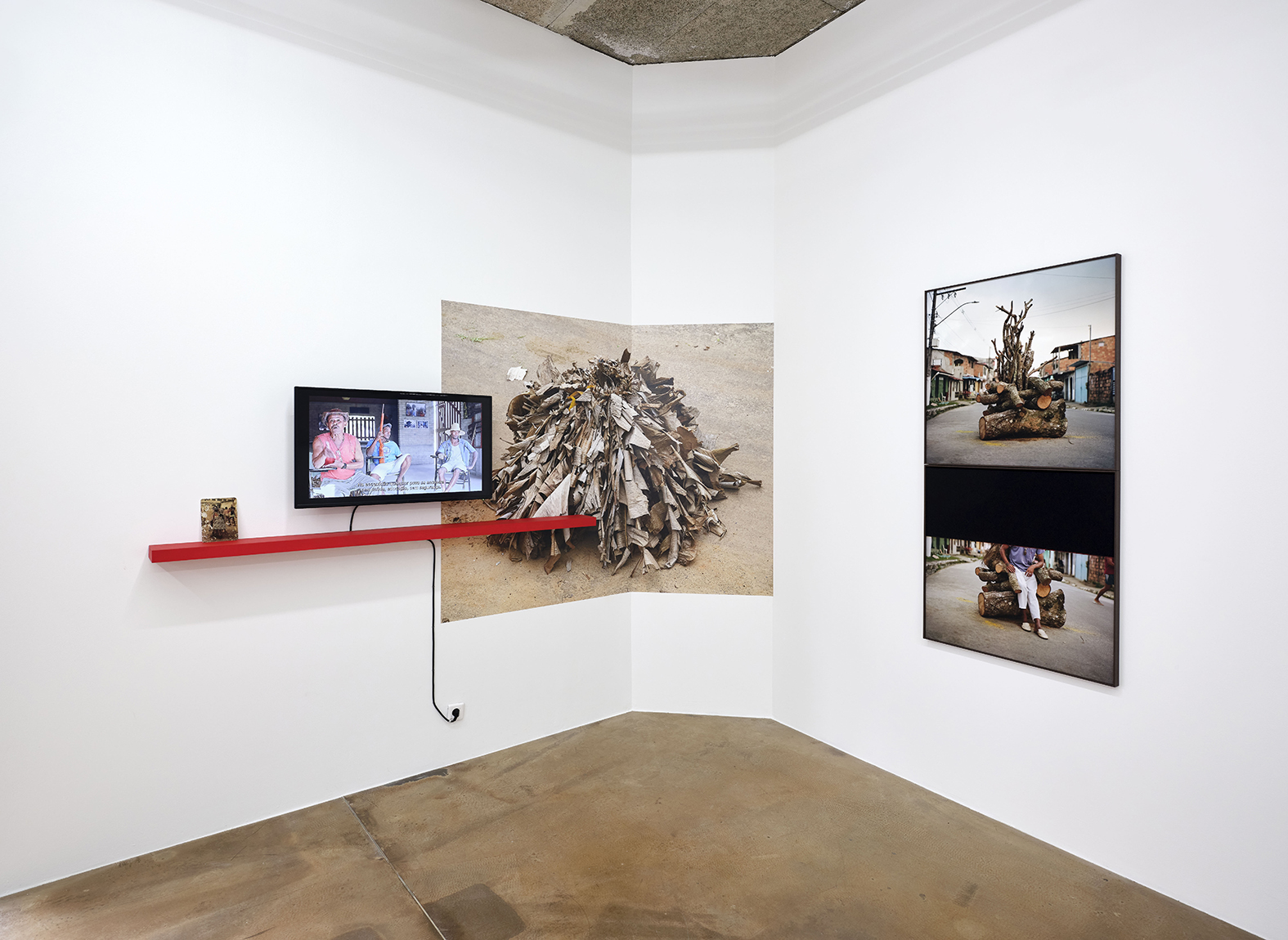
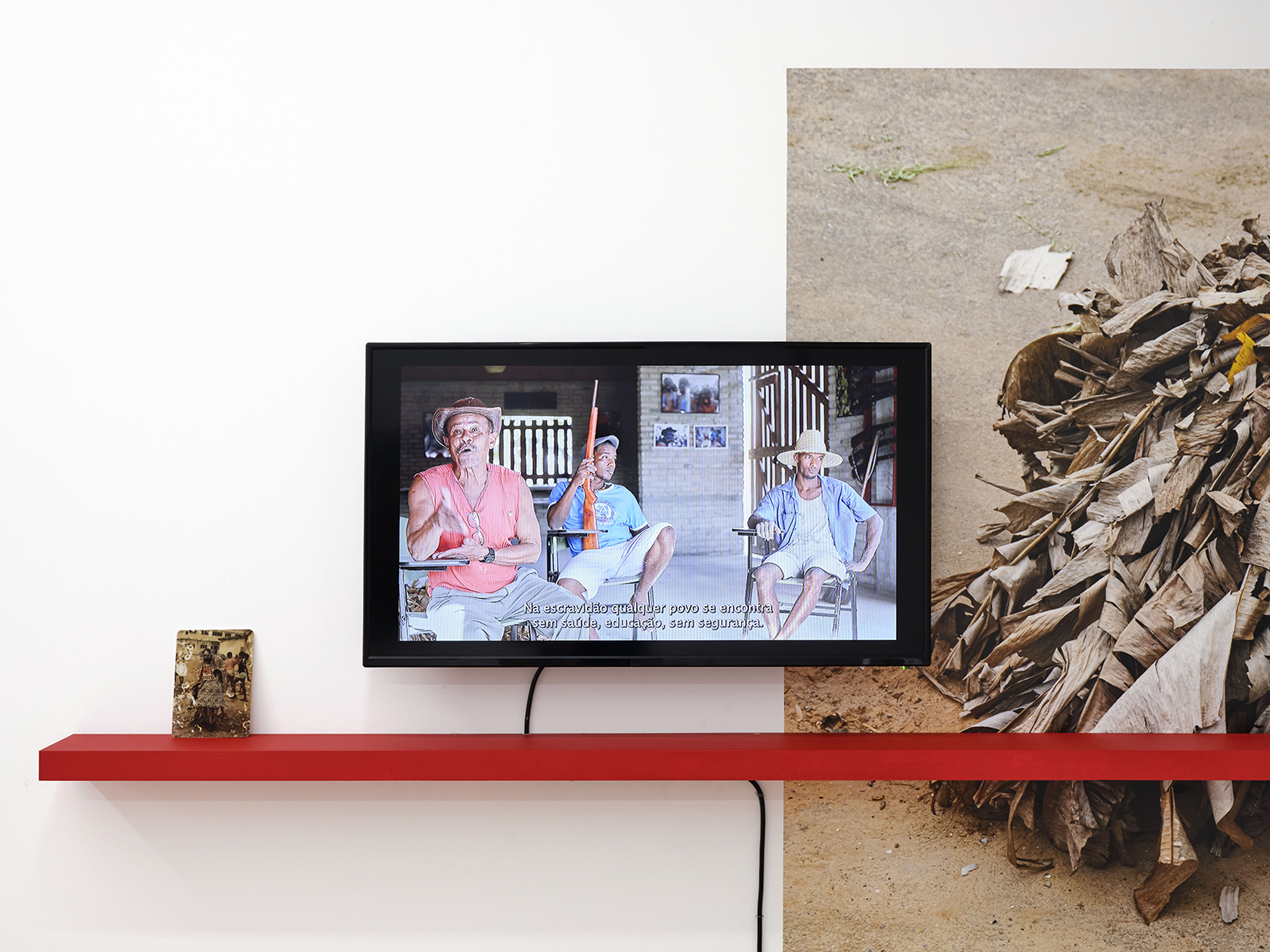
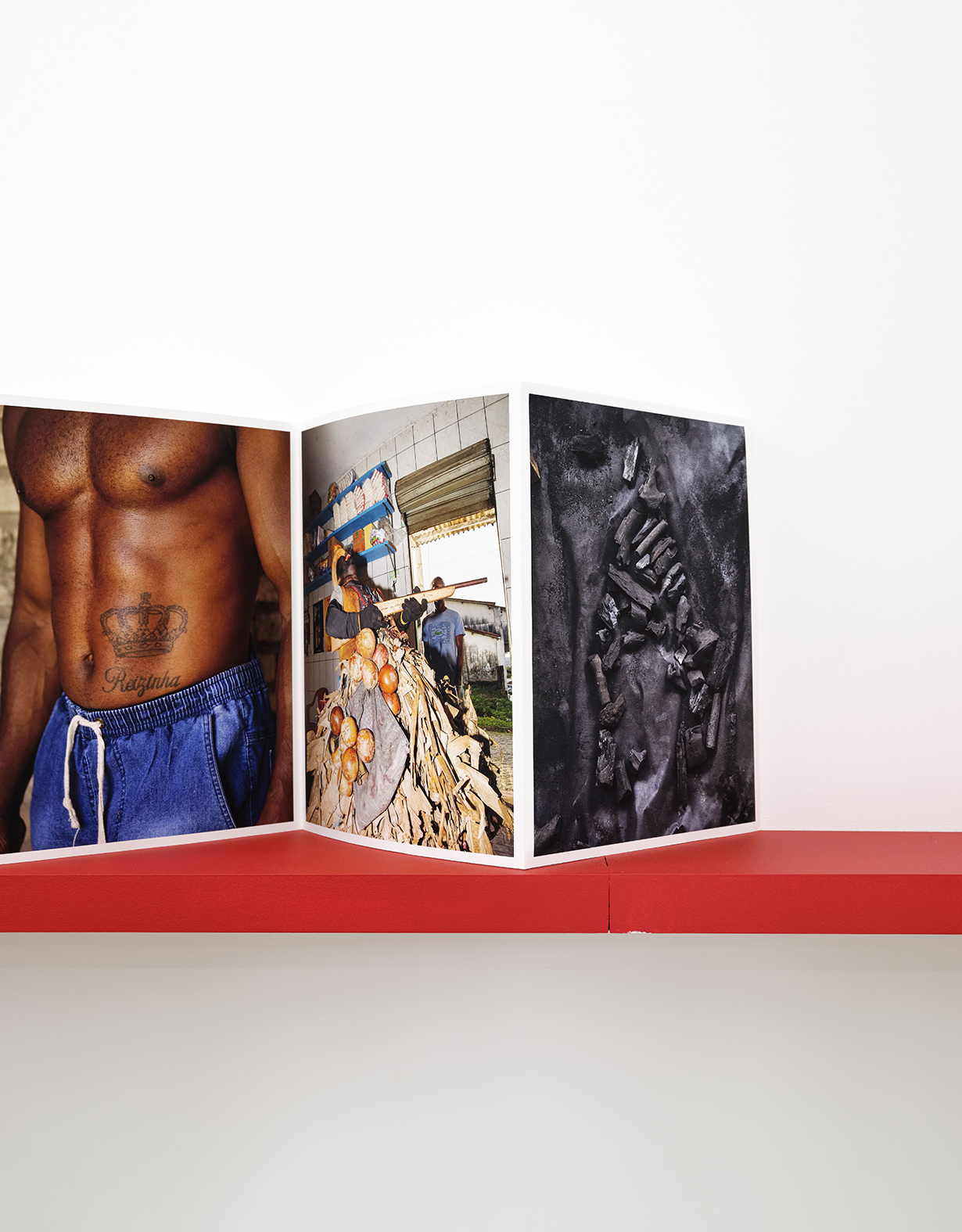
The banana tree leaves used in the Nego Fugido are symbolic elements linked as much to ancestry as they are to the violence of slavery. Nicola Lo Calzo, City of Acupe. 2022. Nego Fugido series.
NEGO FUGIDO, QUILOMBOLA MEMORIES
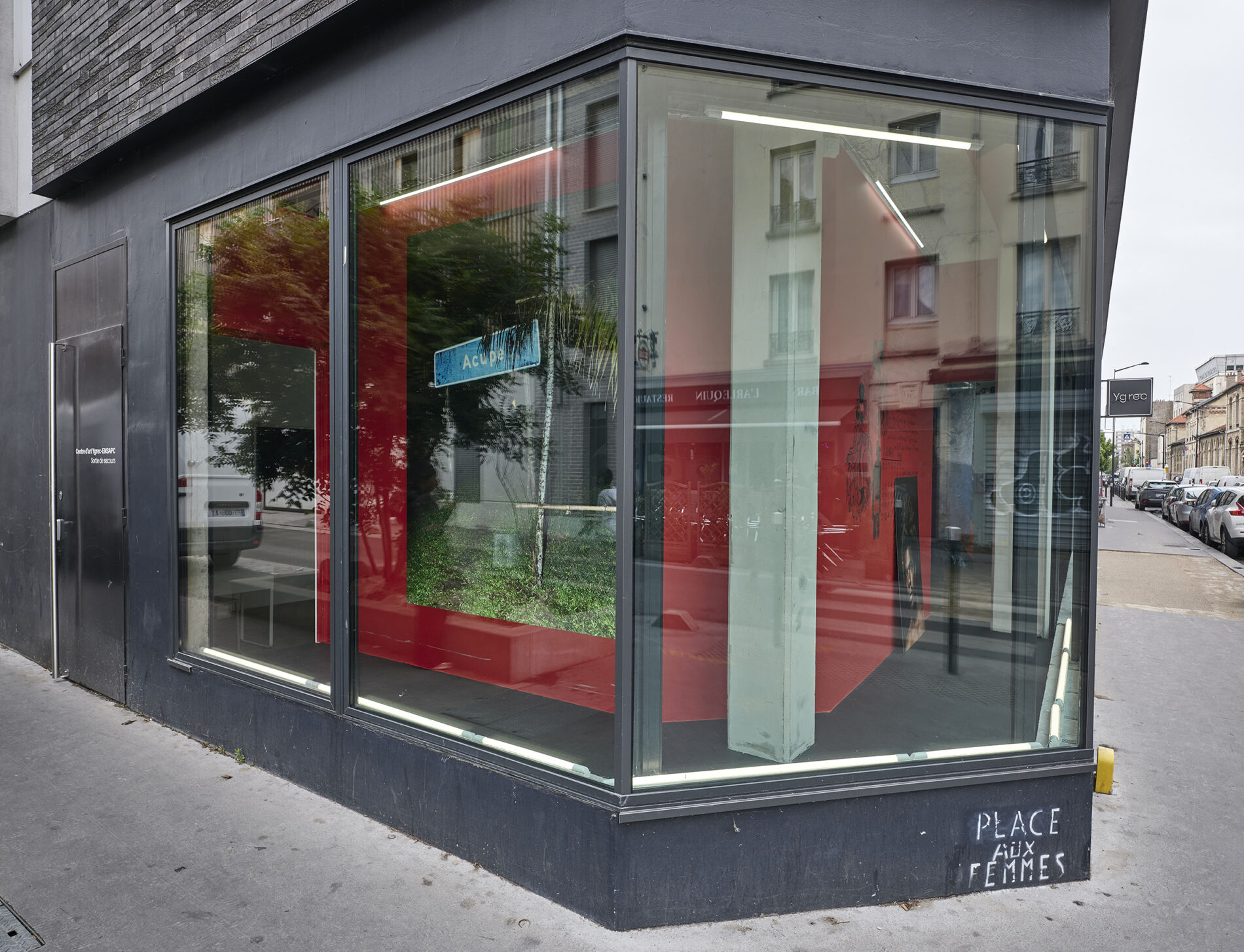
Monographic exhibition curated by Nicola Lo Calzo at the Centre d’art Ygrec-ENSAPC
From June 5 to July 12, 2025
Opening June 5, 2025 from 7 to 9 p.m.
Ashes and fire
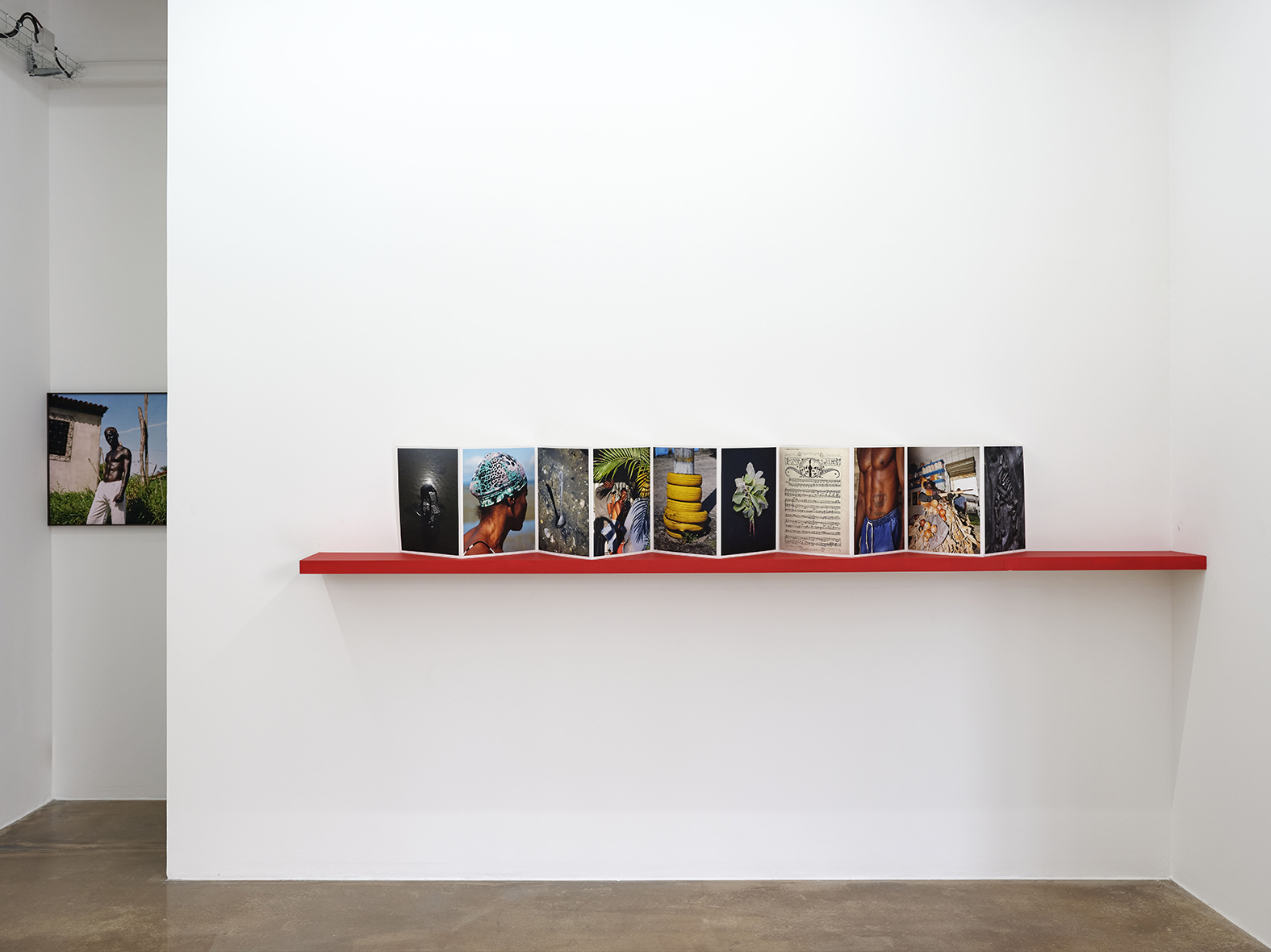
Nicola Lo Calzo’s exhibition, Nego Fugido, Quilombola memories, offers a sensitive and committed immersion into a process of reaffirming freedom.
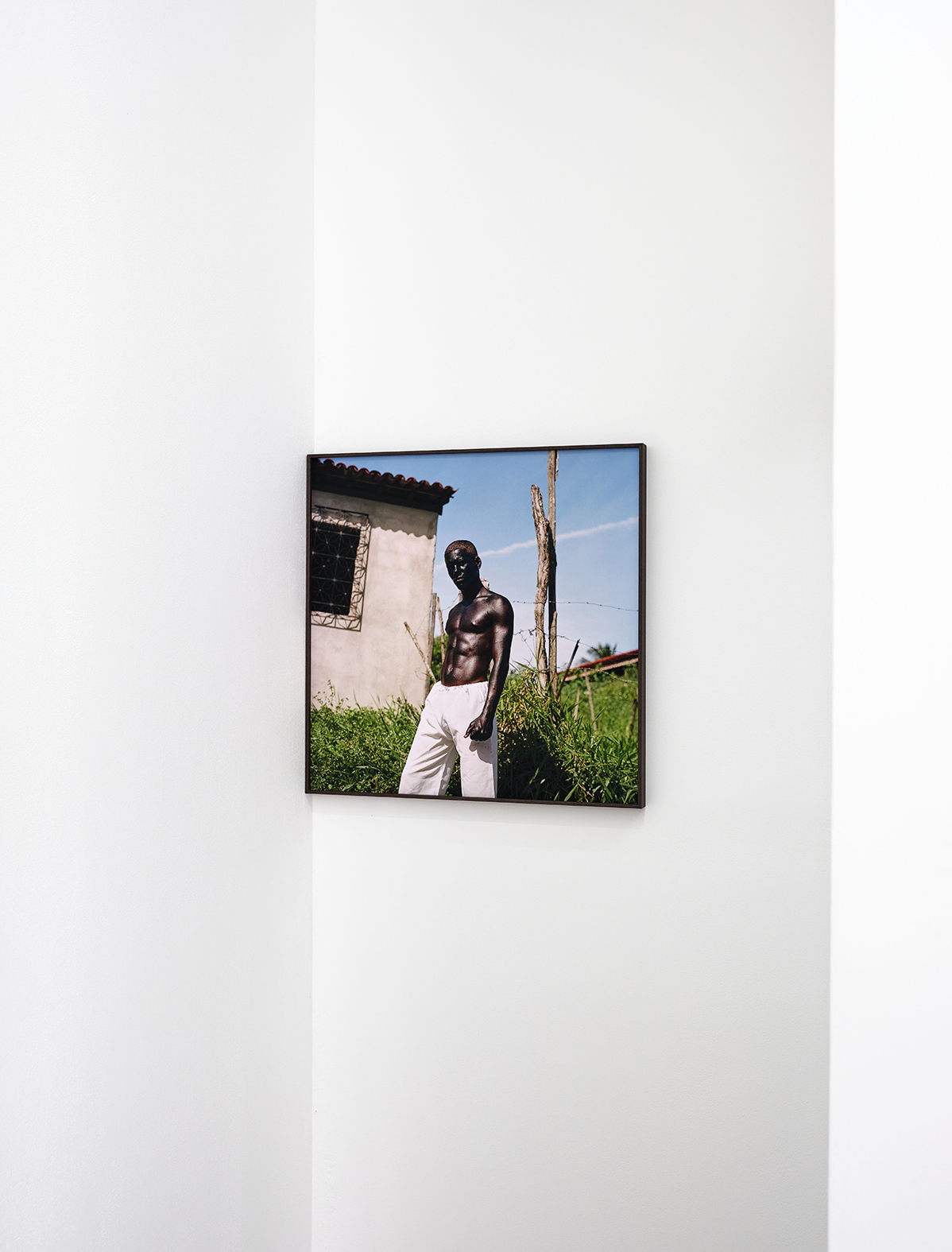
Every year, in the Quilombola community [1] of Acupe, Brazil, the Nego Fugido takes place: a ritual performance that re-enacts the dehumanization of slavery and the struggle of enslaved subjects for emancipation. Like tableaux vivants, this mise en scène brings to life an embodied memory of oppression and resistance from the point of view of those who had been subjugated.
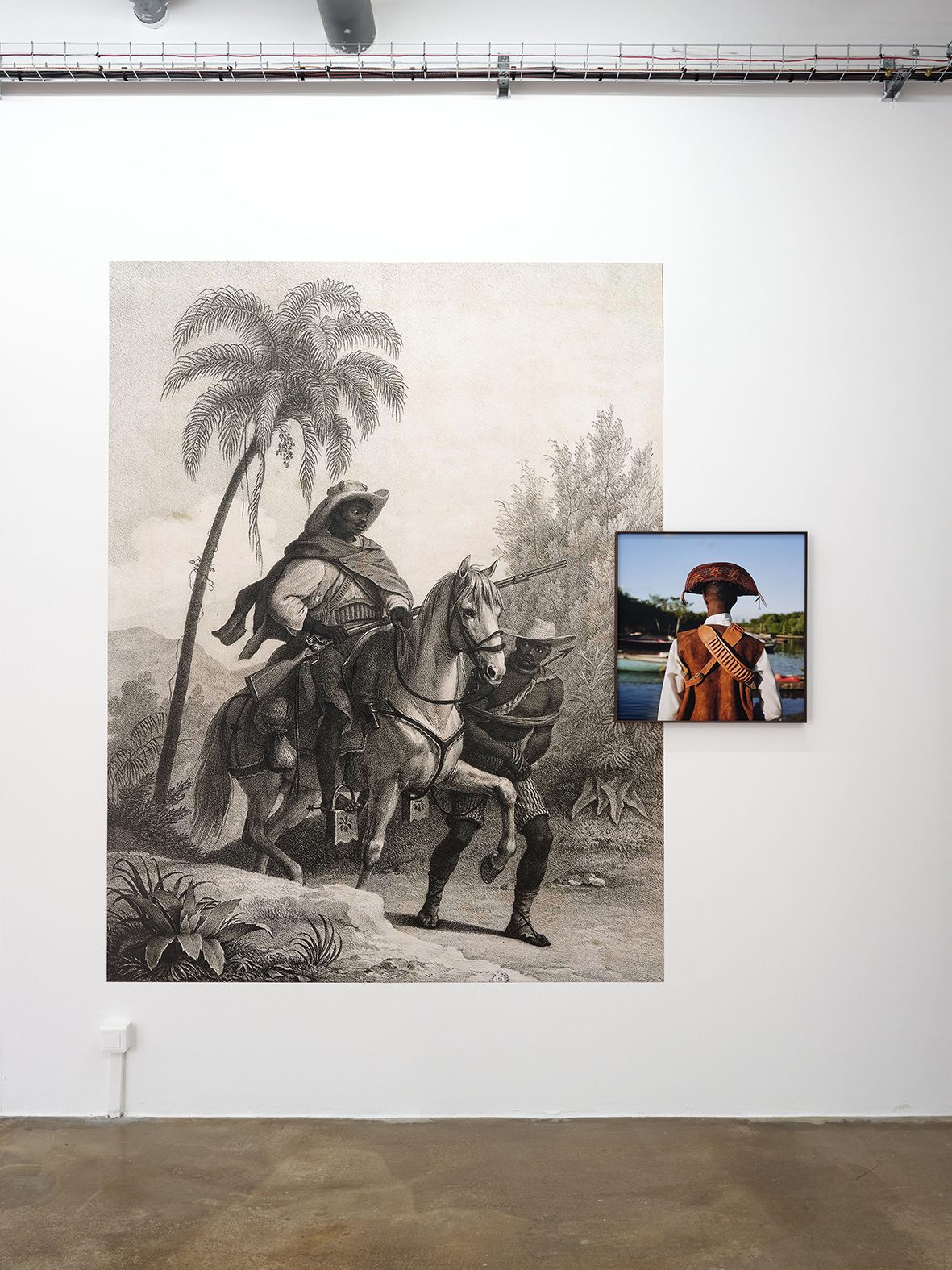
Contrary to the dominant narratives, Nego Fugido constructs a sovereign counter-narrative, which is carried by those whose history has long been denied or erased. Through this practice, the community reappropriates its past, revisits it in the light of the present, and proposes a more complex reading of its colonial heritage, which is still alive in Brazil as it is elsewhere. The performance of Nego Fugido thus acts as an act of memorial mediation, at the crossroads of art, politics, spirituality and transmission. And collectively asks us: What voices shape our historical memory? Who decides which narratives form the basis of a nation?Through exhibiting this practice, the artist-researcher Nicola Lo Calzo reveals an often unspoken aspect of history: a memory that is not fixed, that is not written down in books, but which is expressed through bodies, gestures, songs and rituals. This series is part of the KAM project, which was initiated in 2010. This project explores Atlantic memories of slavery and the forms of resistance that emerged from them. Lo Calzo’s approach is always one of attentive co-creation. It is far removed from any voyeuristic or exoticizing posture. His work is rooted in a relationship of listening and collaboration with the community, aimed at creating common ground.
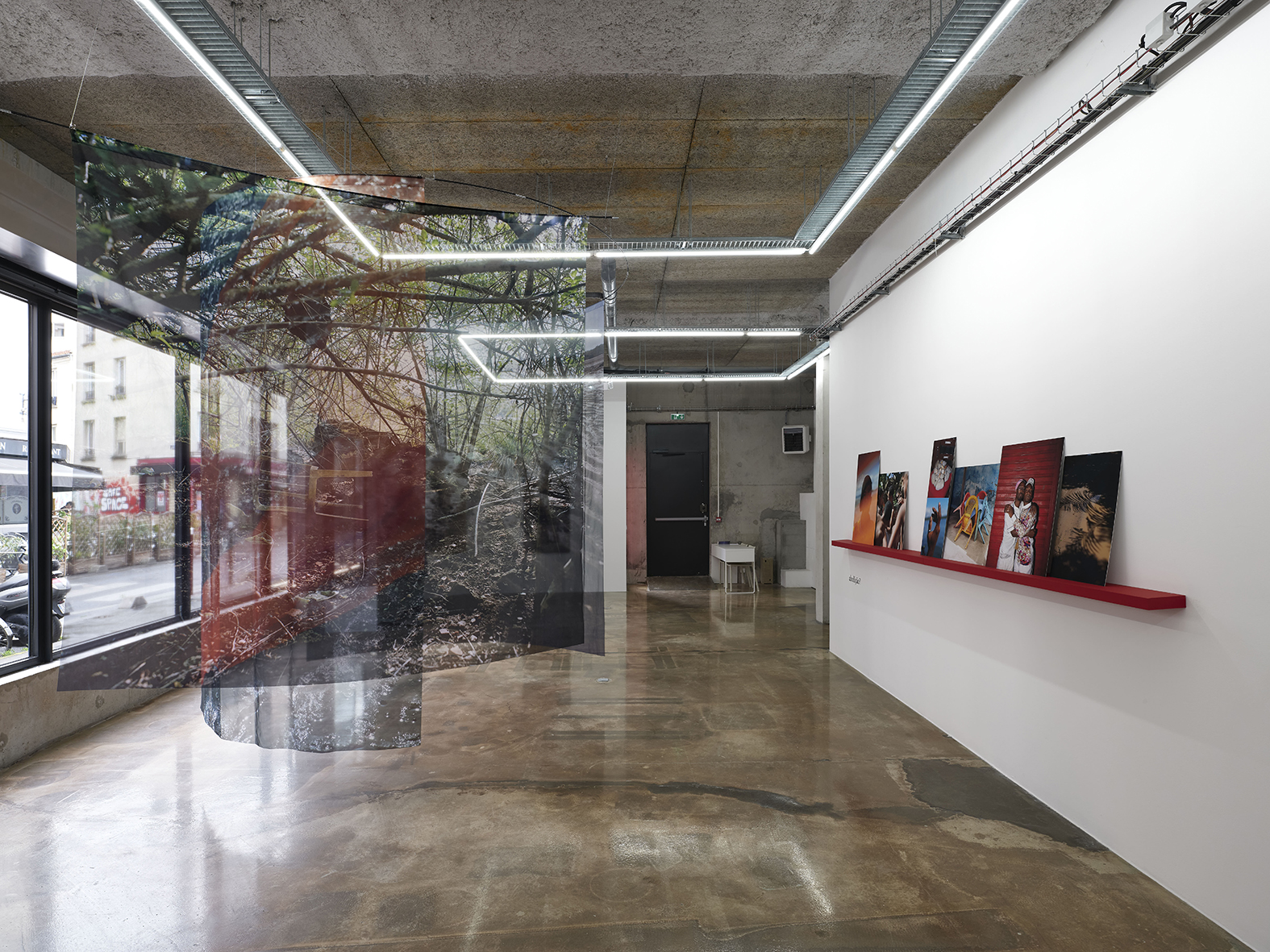
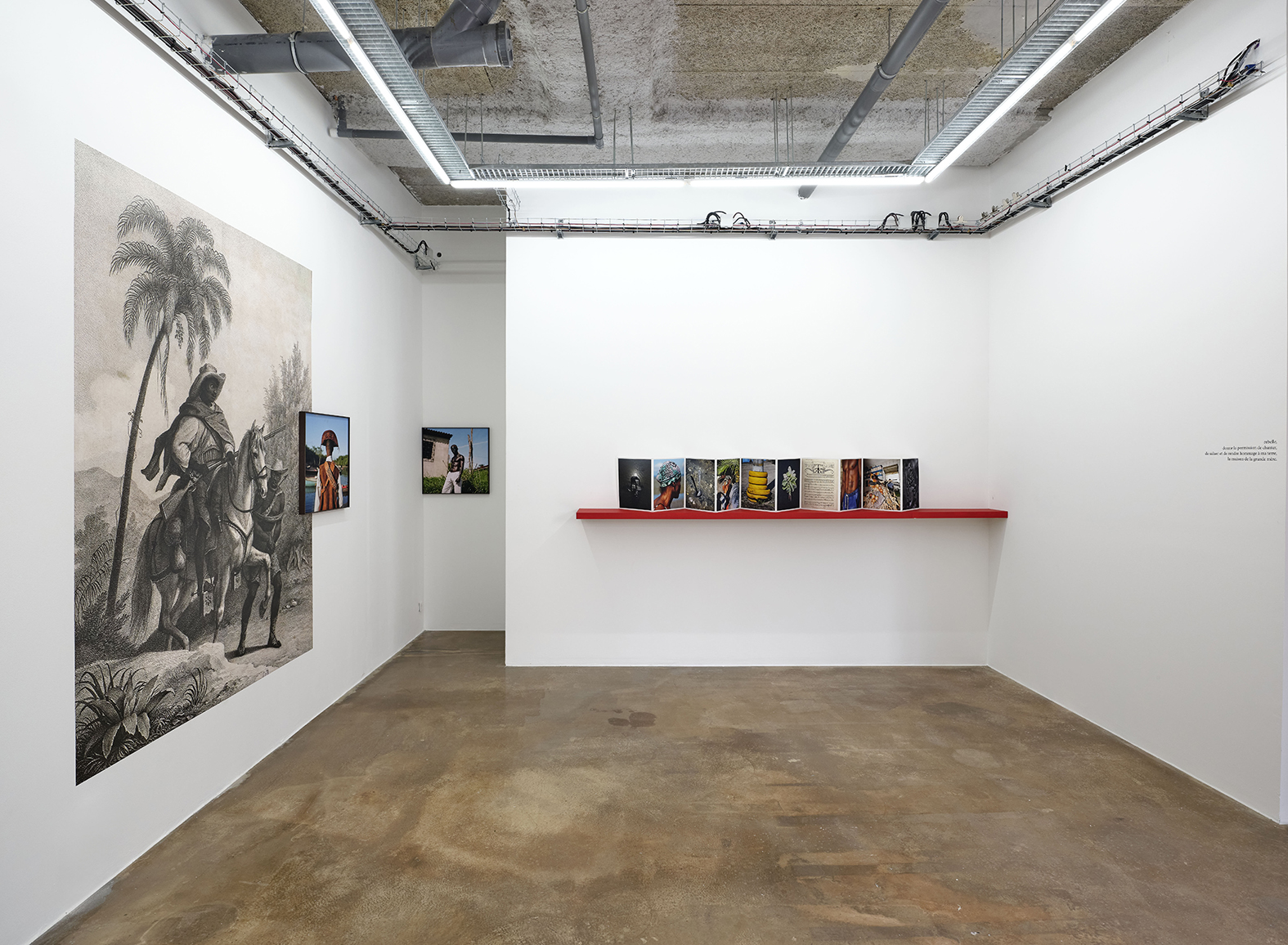
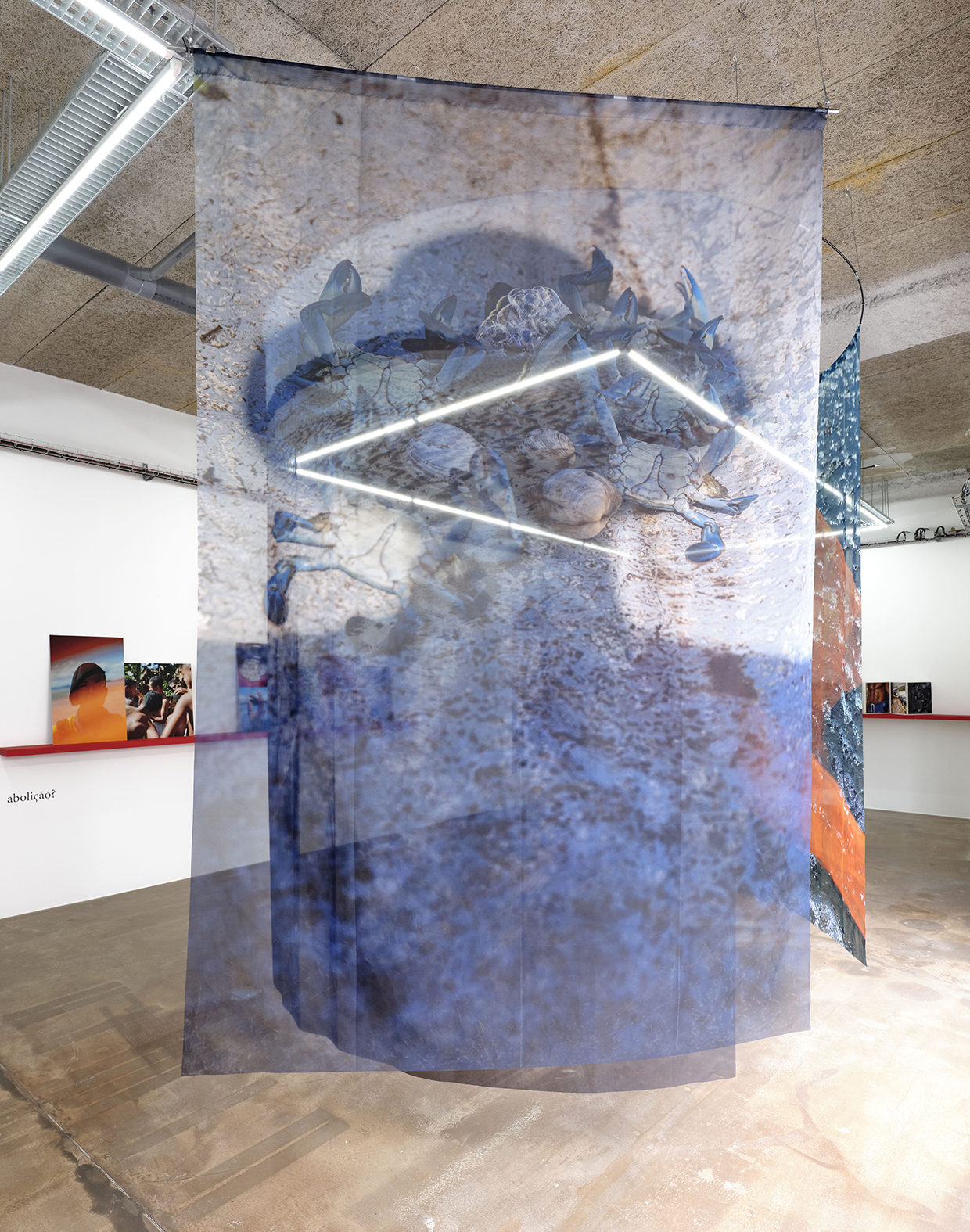
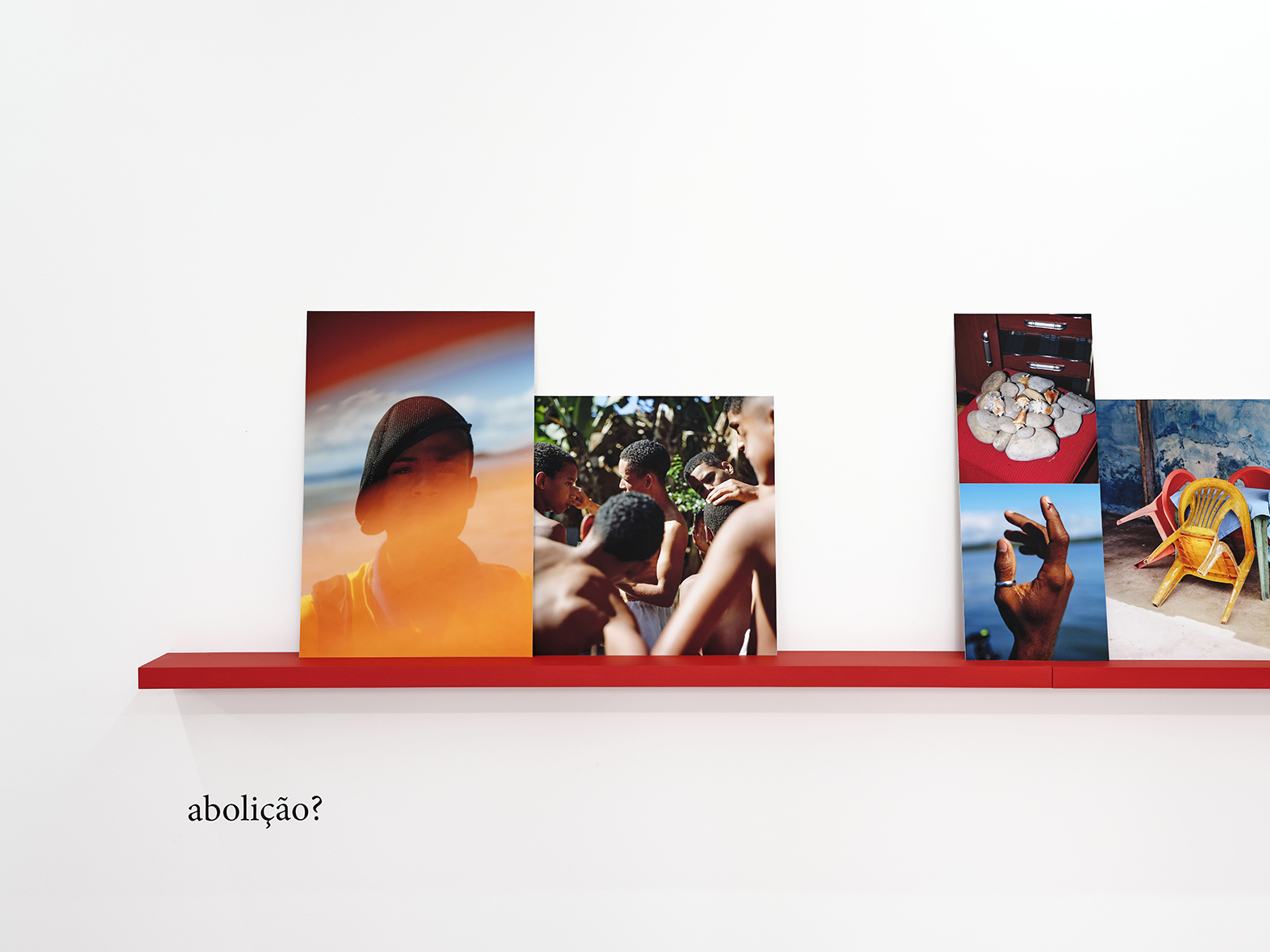
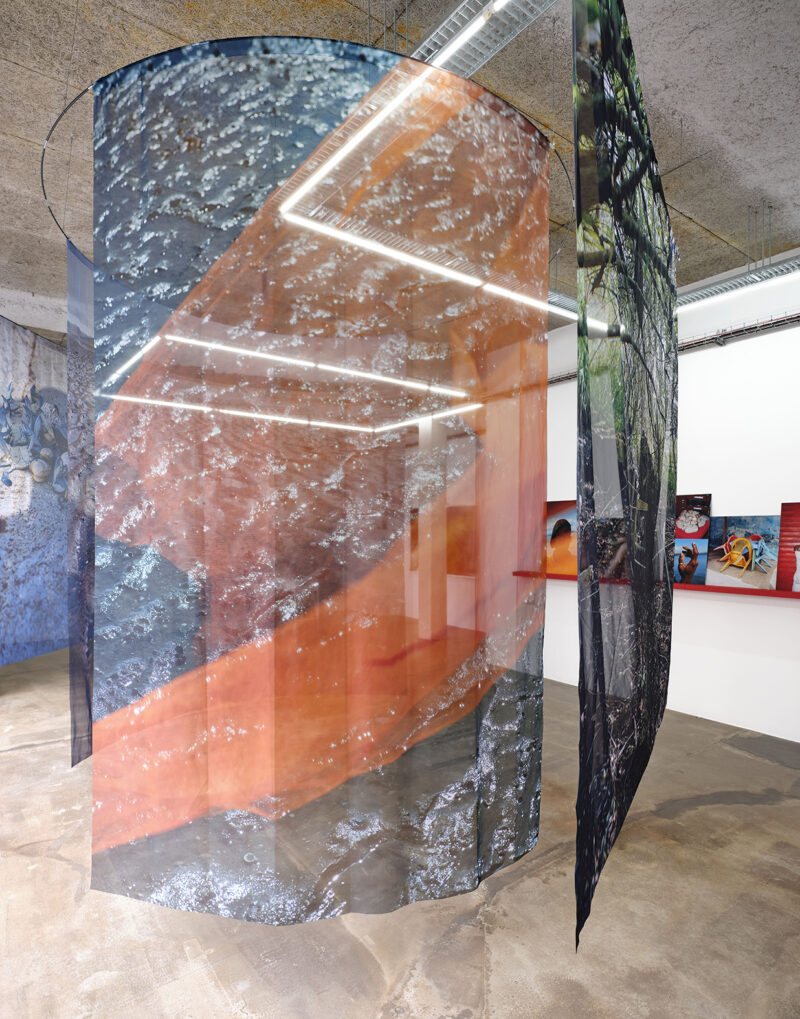
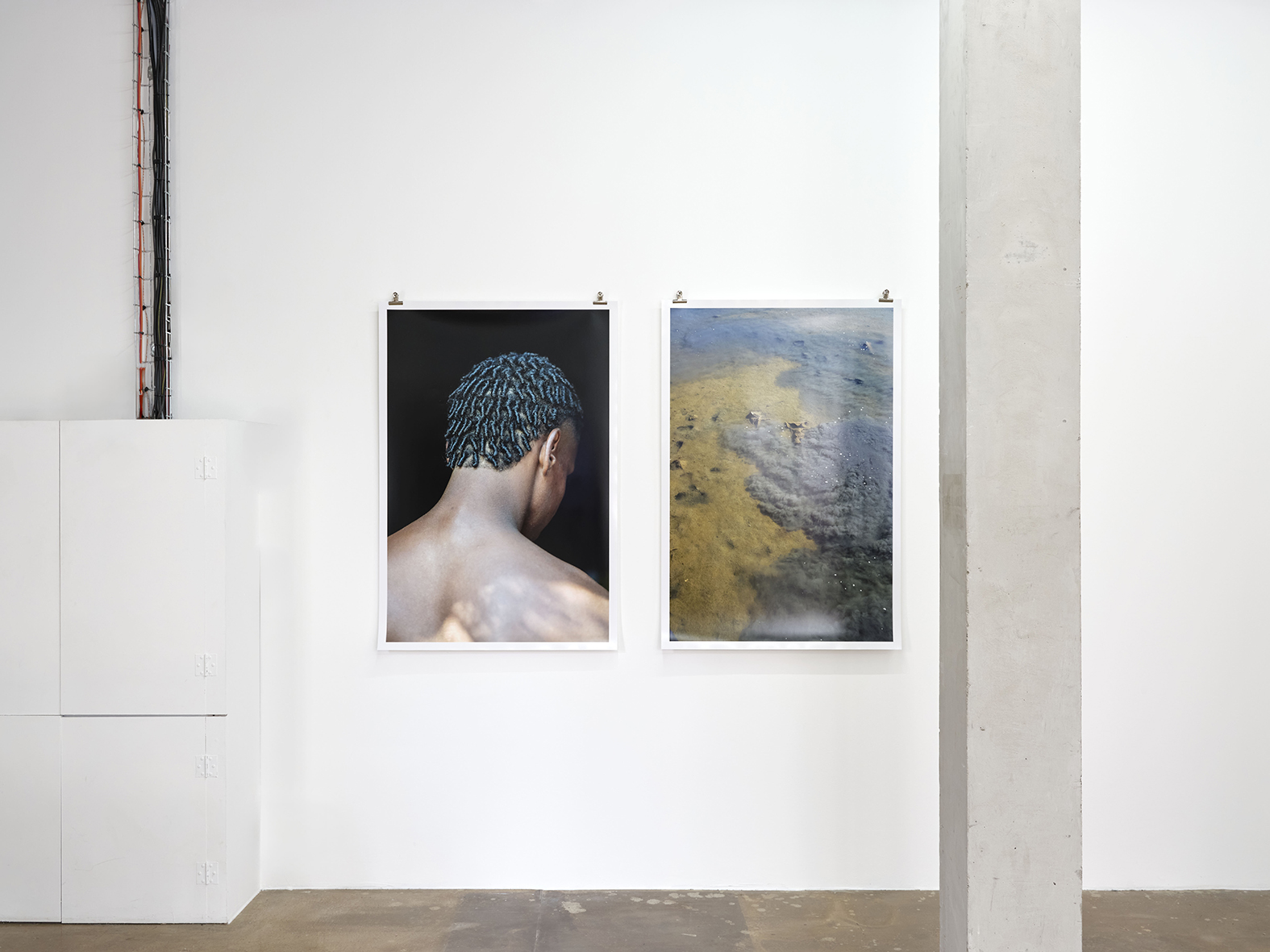
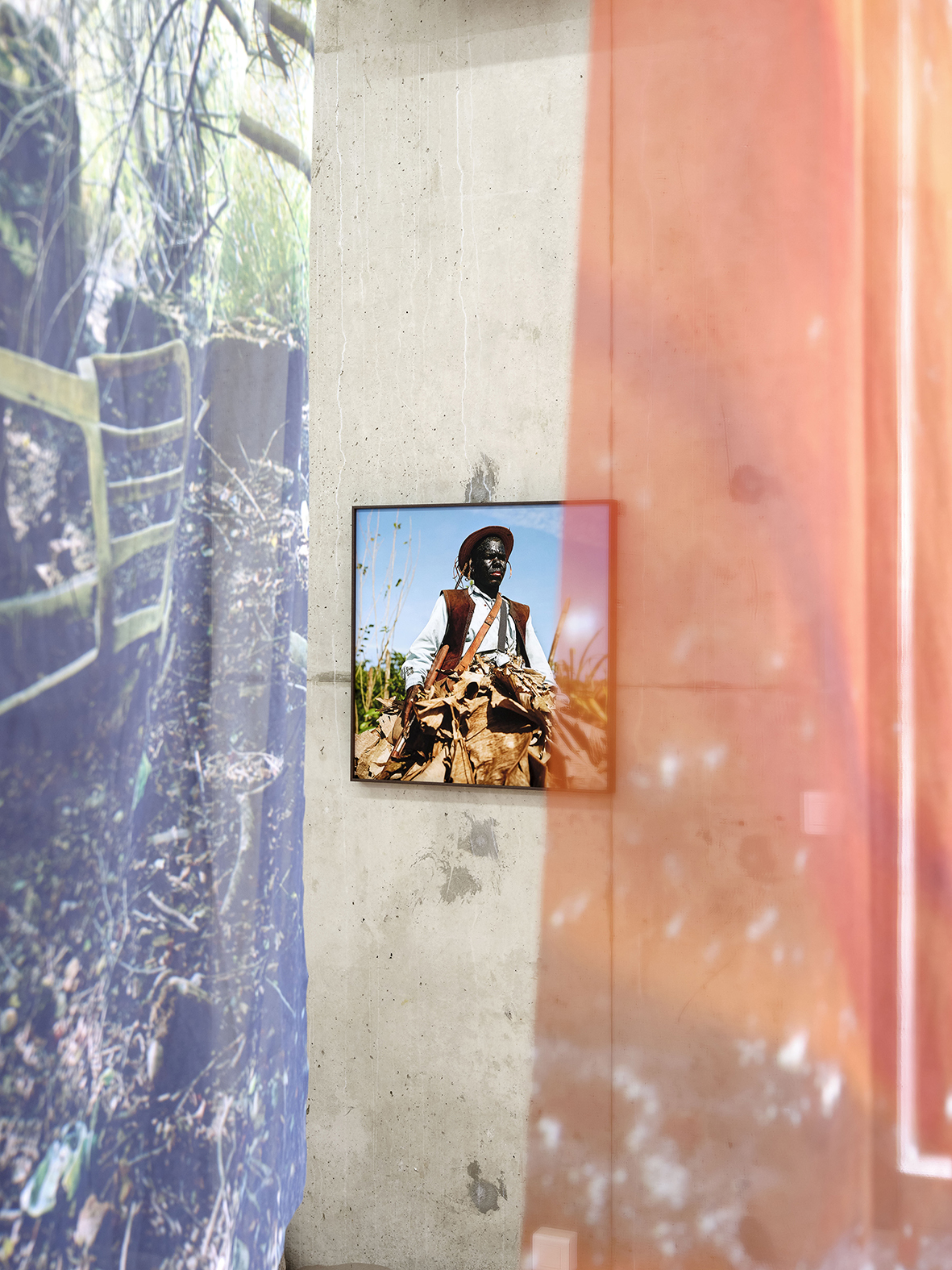
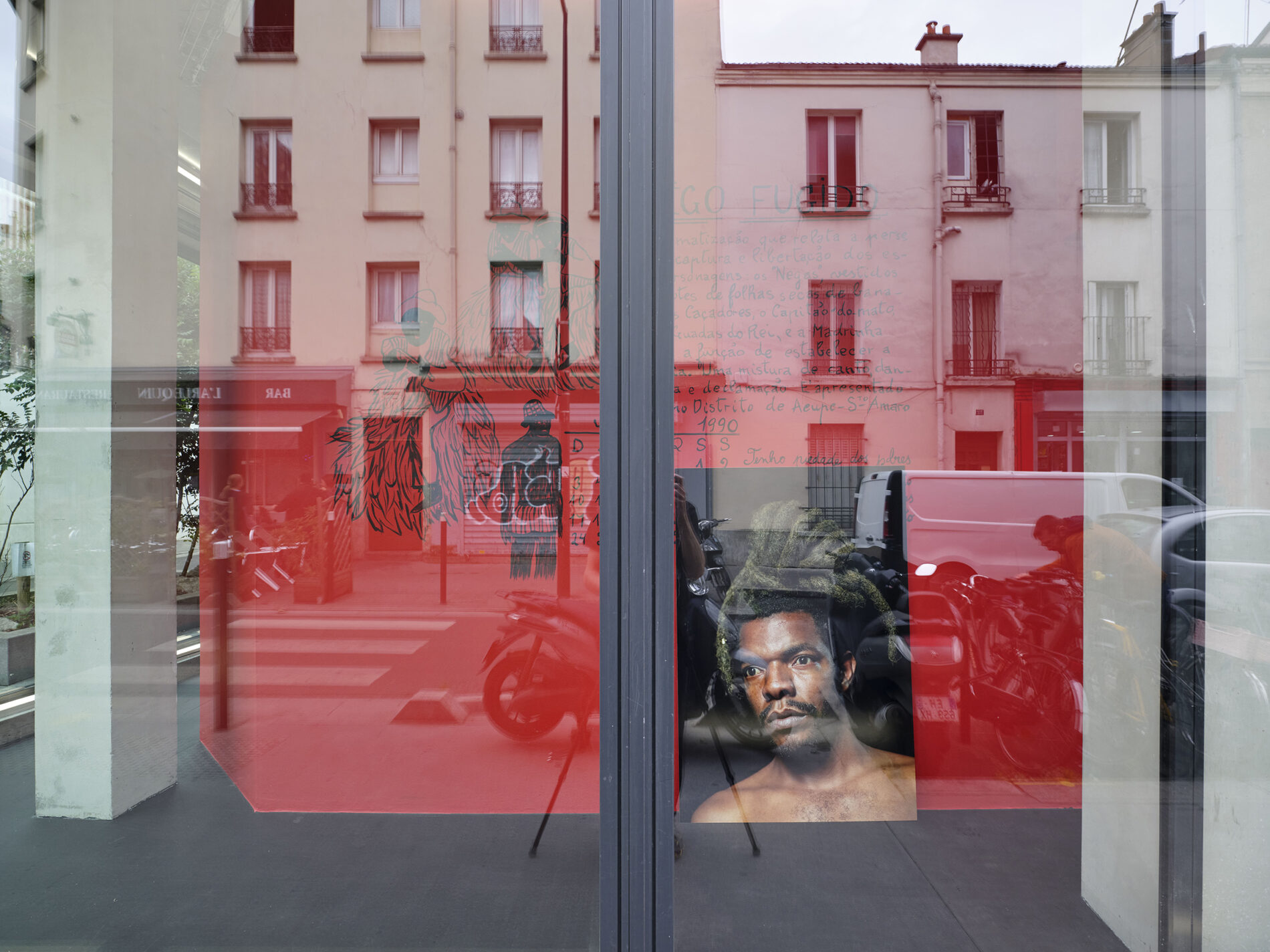
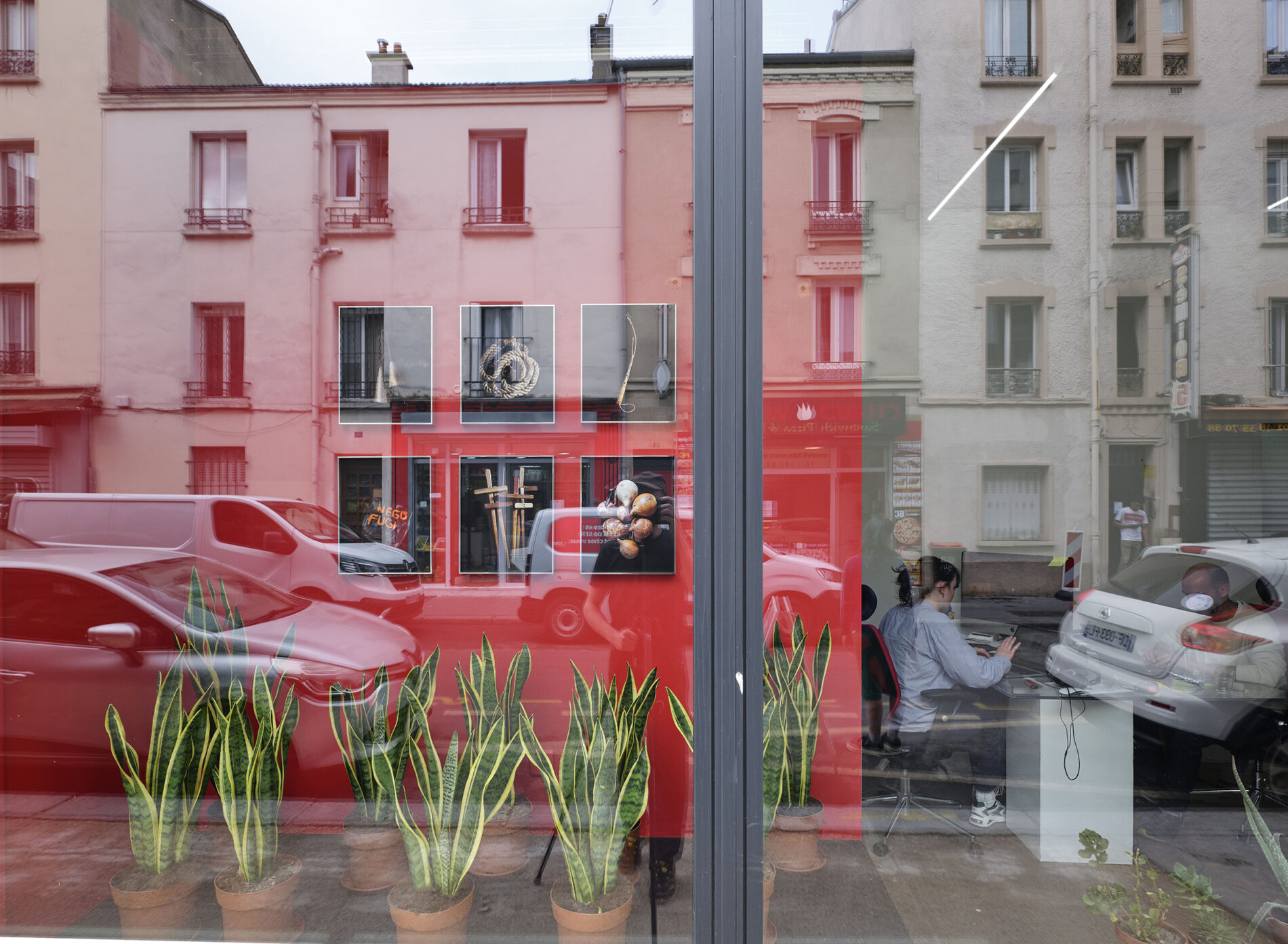
In the exhibition, the strata of memory and spirituality take shape through a visual constellation: photographs, videos, sound recordings, archives and symbolic objects interact to convey the depth of this practice. Exu is a complex figure in Afro-Brazilian cults and drives the central theme of the exhibition. This deity is a unifying element that the public follows throughout the exhibition. Exu is associated with the Nego Fugido and presents himself as a personification of defiance, as well as an intermediary between gods and men.
Nego Fugido is a space for reinventing the past, it is an act of self-determination in the face of the paternalistic discourses of so-called racial democracy or the stereotypical representations conveyed through a façade of multiculturalism. By way of images and installations, this exhibition invites us to take a fresh look at the history of slavery and its contemporary resonances. As part of the Brazil – France 2025 Season, we want to deepen the dialogue between these two cultures and help build a collective memory that is plural, living and deeply rooted in the realities of the communities that bear it.
Ioana Mello, exhibition curator
[1] A quilombo refers to a community formed by escaped slaves in remote regions, such as the Amazon rainforest or the sertão.
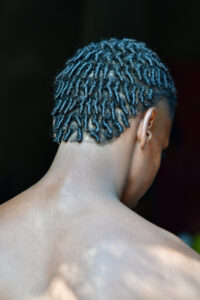
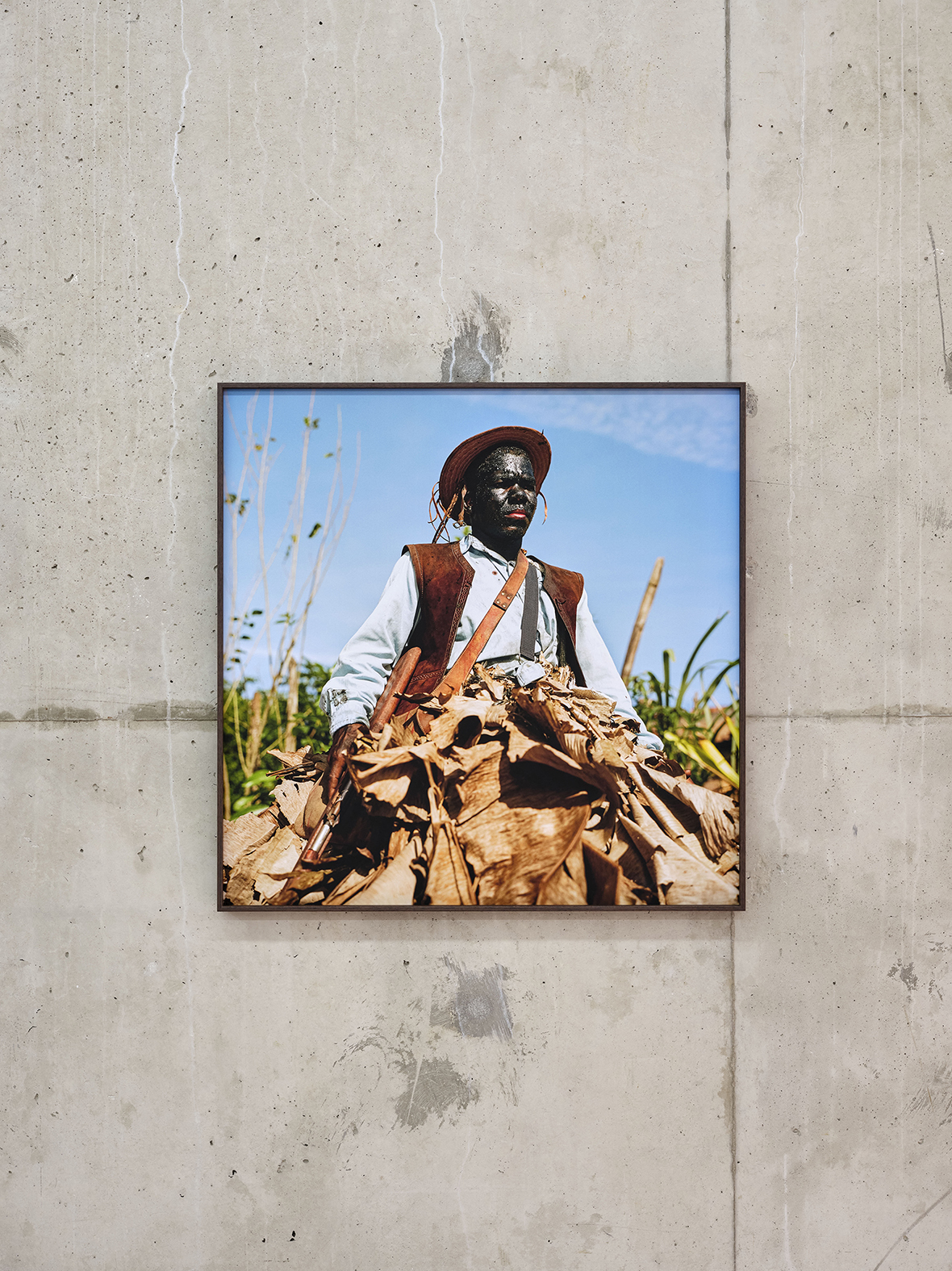
Zoio, member of the Nego Fugido. Nicola Lo Calzo, City of Acupe, Bahia, 2022. Nego Fugido series.
This exhibition, in collaboration with Associação Cultural Nego Fugido, is the result of research carried out between 2022 and 2025 as part of Nicola Lo Calzo’s doctorate at the Humanities, Creation and Heritage Research School of CY Cergy Paris Université in partnership with ENSAPC (under the direction of Sylvie Brodziak and Corinne Diserens). This thesis continues a long-term photographic project on the memories and survivals of colonial slavery and its resistance in Africa, the Caribbean, the Americas and Europe, which began in 2011: the KAM project. Using a queer and intersectional approach, this project seeks to raise the central question of postcolonial representations within artistic practice, particularly when the artist operates and intervenes in contexts still marked by social inequalities and the after-effects of colonial history.
On the occasion of the Aimé Césaire Cycle organized by the City of Aubervilliers as part of the National Day of Remembrance of the Slave Trade, Slavery and their Abolition, 10 photographs by Nicola Lo Calzo will be displayed on billboards throughout Aubervilliers for the duration of the exhibition.
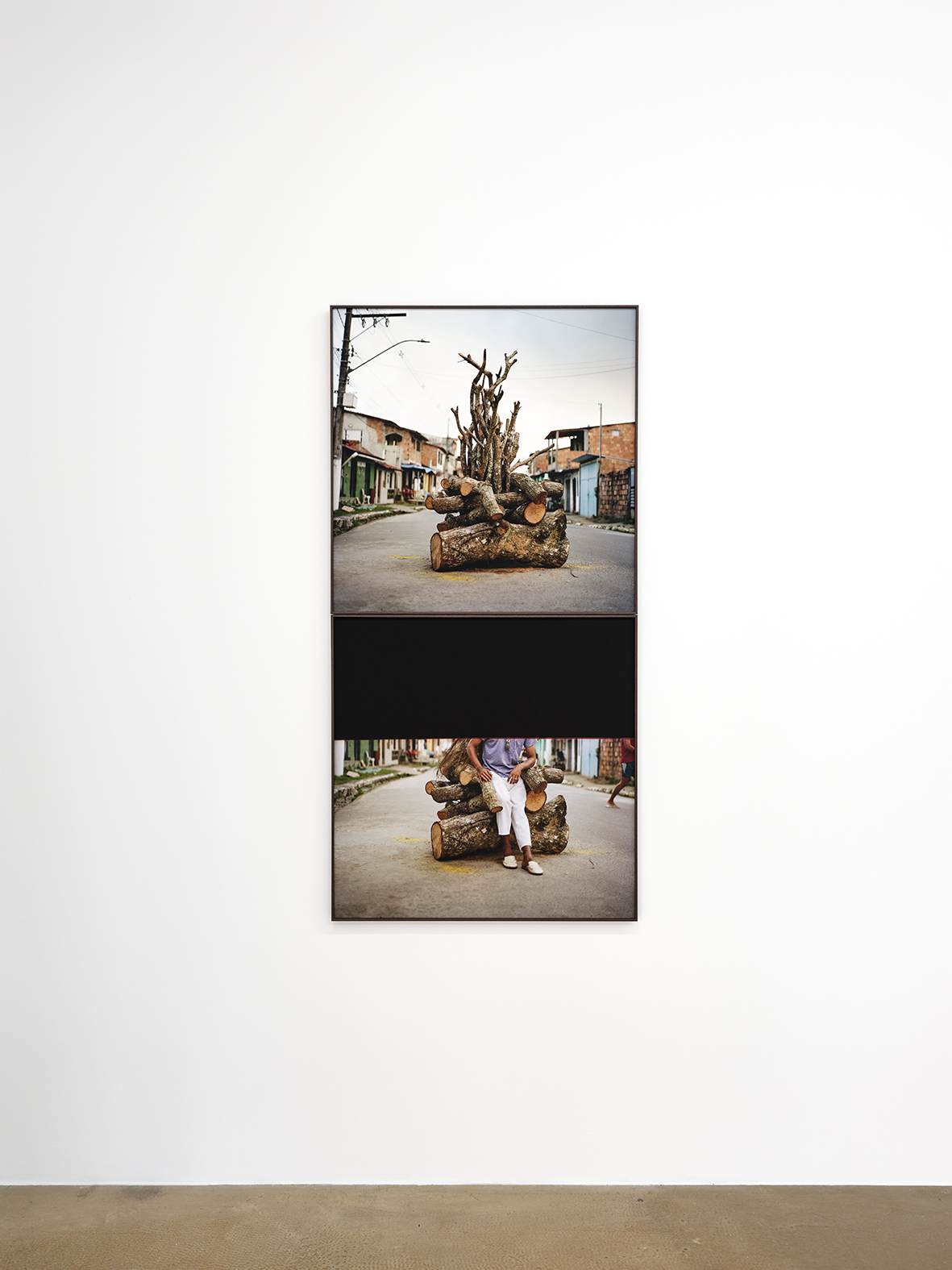
Mestre Douglas, Xangô Fire (Fogueira de Xangô in portuguese), Nicola Lo Calzo, Acupe, 2022. Nego Fugido series.
This exhibition, in collaboration with Associação Cultural Nego Fugido, is the result of research carried out between 2022 and 2025 as part of Nicola Lo Calzo’s doctorate at the Humanities, Creation and Heritage Research School of CY Cergy Paris Université in partnership with ENSAPC (under the direction of Sylvie Brodziak and Corinne Diserens). This thesis continues a long-term photographic project on the memories and survivals of colonial slavery and its resistance in Africa, the Caribbean, the Americas and Europe, which began in 2011: the KAM project. Using a queer and intersectional approach, this project seeks to raise the central question of postcolonial representations within artistic practice, particularly when the artist operates and intervenes in contexts still marked by social inequalities and the after-effects of colonial history.
On the occasion of the Aimé Césaire Cycle organized by the City of Aubervilliers as part of the National Day of Remembrance of the Slave Trade, Slavery and their Abolition, 10 photographs by Nicola Lo Calzo will be displayed on billboards throughout Aubervilliers for the duration of the exhibition.